All Categories
Featured

Comparing PPO and HMO Health Coverage
Table of Contents
Knowing the differences in between specific health strategies, like an HMO and a PPO plan, is required to secure the best health protection for you, your household, or your employees. In this blog site post, we'll stroll you through the essential differences in between HMO and PPO plans, review their pros and cons, and reveal you how each strategy works with a health repayment plan (HRA).
Due to the fact that of this, these policies provide lower premiums and out-of-pocket expenses. PPO plans provide more flexibility in selecting health service providers and services than HMO plans. They often have higher premiums and deductibles, and need insurance policy holders to file their own claims for out-of-network care, which can be complicated and time-consuming.
An HMO is a type of health insurance where a group of network medical professionals, health centers, and other treatment suppliers agreement with an insurance company to provide insurance policy holders various covered services and products in exchange for a premium. Service providers within the HMO network accept provide care to policyholders at a lowered rate.
In 2023, 13% of workers in the U.S. with medical insurance protection enrolled in an HMO plan1. Because these policies usually have lower premiums and out-of-pocket expenses compared to other types of health insurance, they can seem like an appealing option for those trying to find coverage. The lower total costs come with particular restrictions.
Comparing PPO Provider Access versus Monthly Costs
Their HMO likewise won't cover the costs of out-of-network care or treatment from an expert that took place without a PCP referral, except if an insurance policy holder needs emergency situation care. Before determining if an HMO fits you or your organization, you must take a look at the advantages and disadvantages. HMO plans typically have low premiums and copayments.
Insurance in Culver City CAYour plan will also normally cover in-network expert care with only a small copay for services. When you register in an HMO plan, you need to select a PCP who will be your primary point individual to connect to when you require care. In return, they collaborate your care, handle your total treatment, and make recommendations for professionals.
Additionally, your PCP functions as your medical supporter, and you might establish a strong bond with them, leading to you getting much better and more consistent care. While these advantages of HMO strategies may appear enticing, there are possible disadvantages that you ought to think about before registering. If you want your HMO to cover the cost of your care, you need to get care from a specific network of suppliers in your location.
If you see a non-network supplier, you'll be accountable for your entire bill without the help of your insurance provider. If you need to visit a professional for treatment, you should ask your PCP for a referral for an in-network professional beforehand. If your PCP doesn't refer you, you need to pay the whole expense of the bill alone, which can be pricey.
Your policy will detail the situations that it thinks about an emergency. If your emergency situation does not fit the criteria in your strategy, you'll need to pay the bill on your own. In 2023, the average yearly premium for a group HMO strategy was $8,203 for self-only protection and $23,758 for household coverage2.
Insurance in Culver City CAHow to Find the Best Medicare Medigap Coverage
For family protection, companies contributed $16,600, and employees contributed $7,158. Like other kinds of health insurance, HMO policies might have an annual deductible. A deductible is the set quantity of cash a plan participant must pay out-of-pocket before their insurance company starts to cover their treatment expenses. In 2023, the average deductible for an HMO strategy was $1,200.
KFF found that 33% of people enrolled in a self-only HMO don't have a deductible3. The 2023 out-of-pocket maximum for an Affordable Care Act (ACA) Marketplace strategy was $9,100 for self-only protection and $18,200 for family coverage4. In 2024, the optimum out-of-pocket limitation increased to $9,450 for individuals and $18,900 for families.
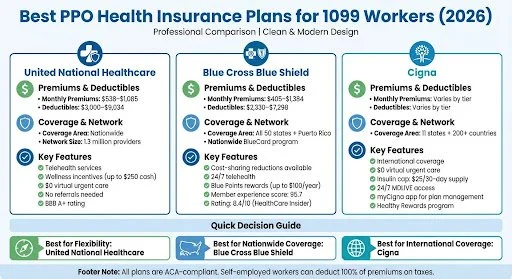
A PPO policy is a kind of health plan in which an insurance coverage service provider agreements with physicians, healthcare specialists, and medical facilities to create a list of "preferred" healthcare companies for insurance policy holders. When individuals with a PPO plan get healthcare from an in-network service provider, their health insurance company pays the provider at an agreed-upon decreased rate.
PPOs are the most common plan that companies offer. In 2023, 47% of people with a group medical insurance plan have a PPO2. These strategies are popular due to the fact that they do not need members to pick a PCP before registering and make it possible for members to choose from a bigger range of in-network companies than they can with an HMO strategy.
The out-of-pocket costs for these services are more pricey. PPO strategies use a number of benefits that make getting treatment a practical and favorable experience. Let's explore some of them below. PPO plans have a wide network of providers providing the very same kinds of medical services with set comparable prices.

Latest Posts
Comparing PPO and HMO Health Coverage

Evaluating PPO vs HMO Insurance

Final Expense Insurance Strategies for Families